Understanding UK LOLER Compliance Standards for Lifting

When it comes to lifting operations on construction sites, safety is not just a priority - it’s a legal requirement. The UK has strict rules to ensure lifting equipment is safe to use and properly maintained. These rules are known as the LOLER regulations. Understanding these standards is essential for anyone involved in construction projects, from site managers to equipment operators.
In this post, I’ll walk you through the key points of UK LOLER compliance standards. I’ll explain what they mean, why they matter, and how you can make sure your lifting operations meet the law. Let’s dive in.
What Are LOLER Compliance Standards?
LOLER stands for the Lifting Operations and Lifting Equipment Regulations 1998. These regulations set out the legal requirements for the safe use of lifting equipment at work. The goal is to prevent accidents and injuries caused by faulty or poorly maintained lifting gear.
LOLER compliance standards cover a wide range of equipment, including:
Cranes and hoists
Forklifts and telehandlers
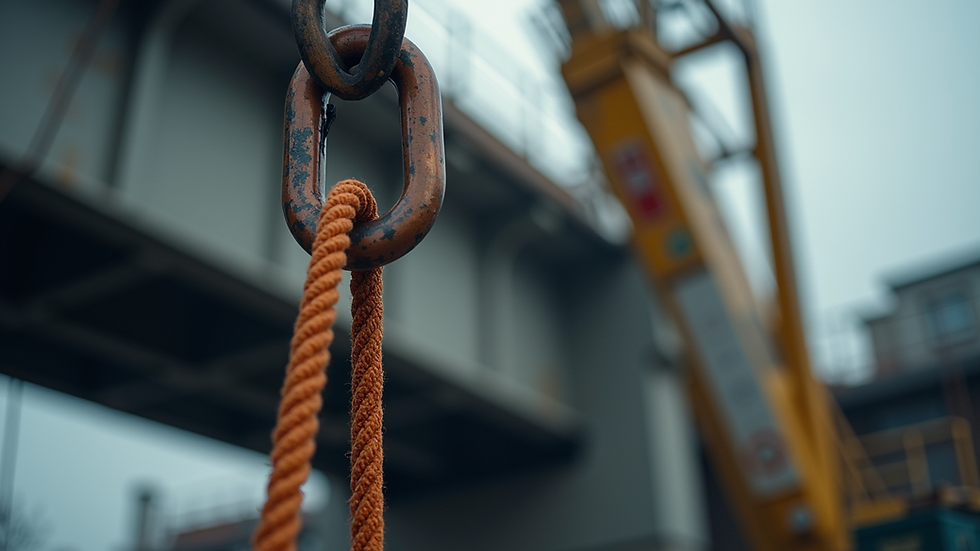
Lifting chains, ropes, and slings
Vehicle tail lifts
Any other equipment used to lift or lower loads
The regulations require that all lifting equipment is:
Strong and stable enough for the task
Properly maintained and inspected regularly
Used only by trained and competent people
Thoroughly examined at set intervals by a competent person
Following these standards helps reduce the risk of equipment failure and accidents on site. It also ensures that lifting operations run smoothly and efficiently.

Why LOLER Compliance Standards Matter
You might wonder why these regulations are so important. The answer is simple: lifting equipment failures can cause serious injuries or even fatalities. Construction sites are busy places with heavy loads moving around constantly. Without proper controls, the risk of accidents skyrockets.
LOLER compliance standards help protect everyone on site by:
Ensuring equipment is safe to use before every lift
Preventing unexpected breakdowns during operations
Reducing downtime caused by equipment failure
Promoting a culture of safety and responsibility
For project managers, adhering to these standards also means avoiding costly fines and legal trouble. The Health and Safety Executive (HSE) takes breaches seriously and can impose penalties if LOLER regulations are ignored.
In practice, this means you need to have a clear system for inspecting and maintaining all lifting equipment. Records of thorough examinations must be kept and made available for inspection. Training staff on safe lifting practices is equally crucial.
What is the difference between PUWER and LOLER?
You may have heard of PUWER alongside LOLER. Both are important health and safety regulations, but they cover different aspects.
PUWER stands for the Provision and Use of Work Equipment Regulations 1998. It focuses on the general safety of work equipment, ensuring it is suitable for use, maintained, and operated safely.
LOLER, on the other hand, specifically targets lifting equipment and lifting operations. It adds extra requirements because lifting gear carries unique risks.
Here’s a quick comparison:
| Aspect | PUWER | LOLER |
|-------------------------|---------------------------------------|---------------------------------------|
| Scope | All work equipment | Lifting equipment only |
| Focus | Safe use and maintenance | Safe lifting operations and equipment |
| Inspections | Regular maintenance and checks | Thorough examinations by competent person |
| Training | Safe operation of equipment | Safe lifting techniques and equipment use |
Both sets of regulations work together to create a safer working environment. If you use lifting equipment, you must comply with both PUWER and LOLER.
How to Ensure Your Lifting Equipment Meets LOLER Standards
Meeting LOLER compliance standards is not just about ticking boxes. It requires a proactive approach to safety and maintenance. Here are some practical steps you can take:
Identify all lifting equipment on site
Make a comprehensive list of all cranes, hoists, slings, and other lifting gear. This helps you keep track of what needs inspection and maintenance.
Schedule regular thorough examinations
A competent person must examine lifting equipment at intervals defined by LOLER. For example, lifting accessories like slings should be examined every 6 months, while some equipment may require annual checks.
Keep detailed records
Document every inspection, maintenance, and repair. These records prove compliance and help spot recurring issues.
Train your team
Ensure everyone involved in lifting operations understands how to use equipment safely. Training should cover both the equipment and the risks involved.
Use equipment within its limits
Never exceed the safe working load (SWL) of lifting gear. Overloading is a common cause of accidents.
Report and fix defects immediately
If any equipment shows signs of wear or damage, take it out of service until repaired or replaced.
Plan lifting operations carefully
Assess risks, choose the right equipment, and communicate clearly with your team before every lift.
By following these steps, you’ll not only comply with the law but also create a safer, more efficient work environment.
The Role of Technology in LOLER Compliance
Technology is transforming how construction companies manage safety and compliance. Digital tools can simplify the process of meeting LOLER compliance standards.
For example:
Digital inspection checklists allow inspectors to record findings on tablets or smartphones, reducing paperwork and errors.
Maintenance management software helps schedule and track inspections and repairs automatically.
Wearable devices and sensors can monitor equipment condition in real time, alerting teams to potential issues before they become serious.
Training platforms offer interactive courses and simulations to improve understanding of safe lifting practices.
Integrating these technologies can save time, reduce costs, and improve safety outcomes. It’s a smart move for any construction business aiming to stay ahead in a competitive market.
Staying Ahead with LOLER Compliance
Keeping up with LOLER compliance standards is an ongoing commitment. Regulations can evolve, and new equipment or methods may introduce fresh challenges.
Here are some tips to stay ahead:
Regularly review the latest guidance from the Health and Safety Executive (HSE).
Attend industry workshops and training sessions.
Engage with safety consultants or experts when needed.
Foster a safety-first culture where everyone feels responsible for safe lifting.
Invest in modern equipment designed with safety features.
Remember, compliance is not just about avoiding penalties. It’s about protecting lives and building a reputation for reliability and professionalism.
By embracing LOLER compliance standards, you’re taking a vital step towards safer, smarter construction projects.
I hope this guide helps you understand the essentials of UK LOLER compliance standards. If you want to learn more, check out the official LOLER regulations page for detailed information and resources. Stay safe and lift smart!


Comments