Smart Construction Technology Impact: Transforming the Industry

The construction industry is evolving rapidly. New tools and methods are reshaping how projects are planned, executed, and managed. One of the most exciting developments is the rise of smart construction technology. This innovation is not just a buzzword; it’s a game-changer that improves efficiency, safety, and sustainability. Let’s explore how this technology is impacting construction and what it means for the future.
Understanding the Smart Construction Technology Impact
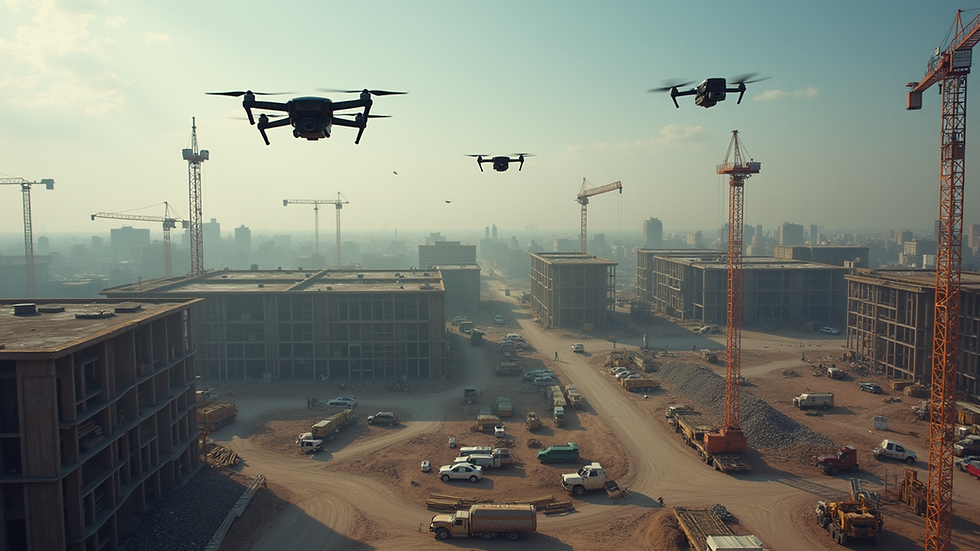
Smart construction technology impact is visible across many stages of a project. From design to completion, technology is helping teams work smarter, not harder. For example, drones provide aerial views of sites, allowing for better monitoring and progress tracking. Sensors embedded in materials can report on structural health in real-time, preventing costly failures.
Digital tools like Building Information Modelling (BIM) enable detailed 3D visualisations of projects before a single brick is laid. This reduces errors and helps teams coordinate more effectively. The result? Projects finish on time and within budget more often.
Safety is another area where technology shines. Wearable devices can monitor workers’ vital signs and alert supervisors to potential hazards. Automated machinery reduces the need for manual labour in dangerous tasks. These advances save lives and reduce downtime.
Key Technologies Driving Change
Several technologies are at the heart of this transformation. Understanding them helps grasp the full impact.
Drones and Robotics: Drones capture detailed images and data from hard-to-reach places. Robotics automate repetitive or hazardous tasks, increasing precision and safety.
IoT Sensors: Internet of Things (IoT) devices track environmental conditions, equipment status, and material integrity. This data supports proactive maintenance and quality control.
Artificial Intelligence (AI): AI analyses vast amounts of data to optimise schedules, predict risks, and improve decision-making.
Augmented Reality (AR) and Virtual Reality (VR): These tools allow immersive project visualisation and training, reducing errors and improving communication.
3D Printing: This technology enables rapid prototyping and even the construction of building components, cutting waste and speeding up delivery.
Each of these technologies contributes to a more connected, efficient, and safer construction process.
Practical Benefits for Construction Projects
The impact of smart construction technology is not just theoretical. It delivers tangible benefits that can transform project outcomes.
Improved Efficiency: Automation and data-driven insights reduce delays and optimise resource use.
Cost Savings: Early detection of issues and better planning lower unexpected expenses.
Enhanced Safety: Real-time monitoring and automation reduce accidents and health risks.
Sustainability: Smart tech supports greener building practices by minimising waste and energy use.
Better Collaboration: Digital platforms enable seamless communication among teams, contractors, and clients.
For example, a project manager using BIM can identify clashes between electrical and plumbing systems before construction begins. This foresight prevents costly rework and keeps the project on track.

How to Integrate Smart Construction Technology
Adopting these technologies requires a strategic approach. Here are some actionable steps:
Assess Needs and Goals: Identify which technologies align with your project requirements and business objectives.
Invest in Training: Equip your team with the skills to use new tools effectively.
Start Small: Pilot technologies on smaller projects to understand their impact and iron out challenges.
Collaborate with Experts: Partner with technology providers and consultants to ensure smooth integration.
Focus on Data Security: Protect sensitive project information with robust cybersecurity measures.
Measure and Adapt: Continuously evaluate technology performance and adjust strategies accordingly.
By following these steps, construction companies can unlock the full potential of smart construction technology and stay competitive.
Looking Ahead: The Future of Construction
The future looks bright for construction with technology at its core. We can expect even more advanced tools, such as autonomous machinery and AI-driven project management platforms. Sustainability will remain a priority, with smart tech enabling net-zero buildings and circular construction practices.
Embracing these innovations will not only improve project outcomes but also attract talent and clients who value modern, responsible construction methods. The industry is on the brink of a revolution, and those who adapt early will lead the way.
If you want to dive deeper into how smart construction technology can transform your projects, now is the time to explore and invest.
Embracing Innovation for a Stronger Tomorrow
Technology is no longer optional in construction. It’s essential for building smarter, safer, and more sustainable projects. By integrating smart construction technology, teams can overcome traditional challenges and unlock new opportunities.
The journey may require effort and change, but the rewards are clear. Increased efficiency, reduced costs, enhanced safety, and a positive environmental impact are within reach. Let’s embrace these tools and shape a future where construction is not just about building structures but about building progress.
Are you ready to take the next step? The future of construction is smart, and it’s waiting for you.


header.all-comments